What If Your Daily Routine Is Speeding Up Aging?
You wash your face every morning, drink water, maybe even exercise—but could some of your daily habits be silently aging your skin and body faster? I didn’t think so either, until I noticed subtle changes: duller skin, less bounce, more fatigue. Turns out, everyday choices in body care, from shower temperature to sleep patterns, deeply impact how we age. This isn’t about chasing perfection—it’s about smart, science-backed tweaks that support longevity from within.
The Hidden Aging Triggers in Your Daily Routine
Many of the routines people follow without question—like long hot showers, frequent use of scented soaps, or skipping sunscreen on cloudy days—can contribute to premature aging. These behaviors may feel comforting or convenient, but they often compromise the skin’s natural defenses. Heat from hot water, for instance, strips away essential lipids that protect the skin barrier. When this barrier weakens, moisture escapes more easily, leaving skin dry, tight, and vulnerable to environmental stressors. Over time, this repeated damage leads to fine lines, uneven texture, and increased sensitivity.
Similarly, over-cleansing the body with harsh soaps or exfoliants can disrupt the skin’s pH balance. The skin’s surface maintains a slightly acidic environment—often referred to as the acid mantle—that helps fend off bacteria and retain hydration. When this balance is disturbed, the skin becomes more prone to irritation and slower to repair itself. Daily exposure to ultraviolet (UV) radiation, even in small doses, is another major contributor to extrinsic aging. UV rays penetrate the skin and trigger the breakdown of collagen and elastin, the proteins responsible for firmness and elasticity. This process, known as photoaging, accounts for up to 90% of visible skin aging according to dermatological research.
The cumulative effect of these seemingly minor habits can be profound. Unlike sudden injuries, these stressors act silently, layering damage over months and years. A morning shower that feels refreshing might be drying out the skin without immediate notice. Sun exposure during routine errands adds up, especially when protection is inconsistent. Recognizing these hidden triggers is the first step toward a more mindful approach to body care. Instead of reacting to signs of aging after they appear, individuals can shift focus to prevention by reevaluating daily rituals that may be doing more harm than good.
By understanding that aging is not solely determined by genetics or time, but significantly influenced by lifestyle, people gain control over their long-term appearance and skin health. Small adjustments—such as lowering shower temperature, choosing gentler cleansers, and applying broad-spectrum sunscreen daily—can slow the progression of visible aging. These changes do not require drastic overhauls but rather consistent, informed choices that support the body’s natural resilience.
Why Body Care Matters More Than You Think for Anti-Aging
Most anti-aging efforts are heavily focused on the face, with serums, creams, and treatments targeting wrinkles and sagging around the eyes and mouth. However, the rest of the body tells an equally honest story of aging. The neck, hands, arms, and décolletage are frequently exposed to the sun and environmental pollutants, yet they often receive minimal care. As a result, these areas can appear older than the face, creating an uneven appearance that undermines overall youthfulness.
The skin on the body differs from facial skin in thickness and oil production, but it shares the same biological processes. It produces collagen, undergoes cell turnover, and responds to hydration and protection. When neglected, body skin loses elasticity faster, develops age spots, and becomes rougher in texture. For example, hands are constantly used and exposed, making them one of the first areas to show signs of aging. Without proper moisturizing and sun protection, they can appear thin, veiny, and discolored—features that contrast sharply with a well-cared-for face.
Comprehensive body care supports systemic anti-aging by maintaining the integrity of the skin barrier across all exposed areas. Moisturizing the arms and legs, protecting the neck and chest from UV rays, and gently exfoliating rough patches all contribute to a more harmonious and youthful appearance. Furthermore, consistent body care promotes better circulation and cellular renewal, which are essential for healthy aging. When the entire body is included in an anti-aging regimen, the results are not only more balanced but also more sustainable over time.
Integrating body care into daily routines doesn’t require excessive time or effort. Simple practices like applying a rich lotion after bathing, wearing protective clothing in strong sunlight, or using a facial-grade sunscreen on the neck and hands can make a meaningful difference. The goal is not perfection but consistency—building habits that nurture the skin as a whole. Over time, this holistic approach reinforces the body’s ability to retain moisture, resist damage, and regenerate effectively, leading to a more radiant and resilient appearance from head to toe.
The Science Behind Skin Aging: What Really Happens?
Skin aging is a complex biological process influenced by both internal and external factors. It is commonly divided into two categories: intrinsic aging and extrinsic aging. Intrinsic aging is the natural, chronological process governed by genetics. It begins in the mid-20s and progresses gradually, characterized by thinner skin, slower cell turnover, and a decrease in collagen production. This type of aging is inevitable, but its pace can be influenced by overall health and lifestyle.
Extrinsic aging, on the other hand, is caused by environmental and behavioral factors. This includes UV radiation, pollution, smoking, poor diet, lack of sleep, and chronic stress. Research suggests that up to 80% of visible facial aging is due to extrinsic factors, with sun exposure being the single largest contributor. Unlike intrinsic aging, extrinsic aging is largely preventable. It manifests as deeper wrinkles, uneven pigmentation, loss of firmness, and a leathery texture—signs that go beyond normal maturation.
One of the key mechanisms behind extrinsic aging is oxidative stress. This occurs when the body produces more free radicals—unstable molecules that damage cells—than it can neutralize with antioxidants. Free radicals attack cellular structures, including DNA, proteins, and lipids, leading to impaired function and accelerated aging. Daily exposure to UV light, for example, generates free radicals in the skin, which break down collagen and elastin fibers. Over time, this degradation results in sagging and wrinkling.
Another important process is glycation, where sugar molecules in the bloodstream bind to proteins like collagen, forming harmful compounds called advanced glycation end products (AGEs). These AGEs make collagen stiff and brittle, reducing the skin’s elasticity. A diet high in refined sugars and processed foods can increase glycation, speeding up visible aging. Additionally, chronic inflammation—triggered by stress, poor sleep, or environmental toxins—further impairs the skin’s ability to repair itself.
Understanding these biological processes empowers individuals to make informed choices. While genetics set the baseline, daily habits play a decisive role in how quickly or slowly the skin ages. Protecting the skin from UV exposure, eating antioxidant-rich foods, managing stress, and supporting the body’s natural repair systems can significantly slow the visible effects of aging. The science is clear: aging is not just a number—it is a reflection of how we treat our bodies every day.
Hydration: The Overlooked Foundation of Youthful Skin
Hydration is often associated with drinking plenty of water, and while internal hydration is important, it is only one part of the equation. True skin hydration involves maintaining the skin’s moisture barrier, a complex system of lipids, ceramides, and natural moisturizing factors that keep water locked in. When this barrier is compromised—by harsh cleansers, hot water, or environmental exposure—skin becomes dry, flaky, and more susceptible to irritation and aging.
The type of body wash used daily can have a significant impact on hydration levels. Many commercial soaps and shower gels contain sulfates, alcohol, and synthetic fragrances that strip away natural oils. While they may leave the skin feeling clean, they often disrupt the acid mantle, leading to increased transepidermal water loss. Over time, this contributes to a dull, rough texture and accelerates the appearance of fine lines. Switching to a gentle, pH-balanced cleanser can make a noticeable difference. These formulas are designed to cleanse without stripping, preserving the skin’s natural moisture balance.
Equally important is the practice of sealing in moisture immediately after bathing. Within three minutes of stepping out of the shower, applying a nourishing body lotion or oil helps trap water in the skin. Ingredients like hyaluronic acid, glycerin, shea butter, and ceramides are particularly effective at drawing in and retaining moisture. Layering hydration—using a humectant-rich product followed by an occlusive—creates a protective film that supports long-term plumpness and resilience.
Hydration is not just a surface-level concern. Well-hydrated skin functions more efficiently, supporting cell turnover and repair processes. It appears smoother, more radiant, and better able to defend against environmental aggressors. For women in their 30s to 55s, maintaining hydration becomes increasingly important as natural oil production declines with age. A consistent hydration routine, both internally and externally, lays the foundation for youthful, healthy-looking skin that ages gracefully.
Sleep, Stress, and Their Real Impact on Your Body
Sleep and stress are deeply interconnected factors that influence skin health and overall aging. Chronic stress triggers the release of cortisol, a hormone that, in excess, can break down collagen and reduce skin elasticity. Elevated cortisol levels also impair the skin’s ability to retain moisture and repair itself, leading to a dull complexion, increased sensitivity, and slower wound healing. Even low-grade, ongoing stress—such as juggling work, family, and household responsibilities—can have a cumulative effect on the body’s aging process.
Sleep is when the body performs its most critical repair work. During deep sleep, blood flow to the skin increases, delivering oxygen and nutrients that support cell regeneration. Collagen production peaks at night, and the skin rebuilds its barrier function. When sleep is disrupted or insufficient, these restorative processes are impaired. Studies show that poor sleepers exhibit more fine lines, reduced skin elasticity, and slower recovery from environmental damage compared to those who get adequate rest.
The quality of sleep matters just as much as quantity. Exposure to blue light from screens before bed can suppress melatonin production, making it harder to fall asleep and reducing sleep quality. Establishing a calming bedtime routine—such as reading, gentle stretching, or using relaxing essential oils—can signal the body that it’s time to wind down. Consistency is key: going to bed and waking up at the same time every day helps regulate the body’s internal clock, improving both sleep quality and hormonal balance.
Managing stress is equally vital. Techniques such as mindfulness, deep breathing, yoga, or even short daily walks can lower cortisol levels and promote emotional well-being. When the body is not in a constant state of stress, it can allocate more resources to maintenance and repair, including skin health. Over time, better sleep and reduced stress lead to a more even skin tone, reduced puffiness, and a natural glow. These changes may not be immediate, but they are sustainable and deeply beneficial for long-term vitality.
Movement and Circulation: Keeping Your Skin Alive
Physical activity plays a crucial role in maintaining healthy, youthful skin. Exercise increases blood circulation, which delivers oxygen and essential nutrients to skin cells. This enhanced flow supports cellular metabolism, promotes collagen production, and aids in the removal of waste products and toxins. As a result, regular movement contributes to a brighter, more even complexion and improved skin tone.
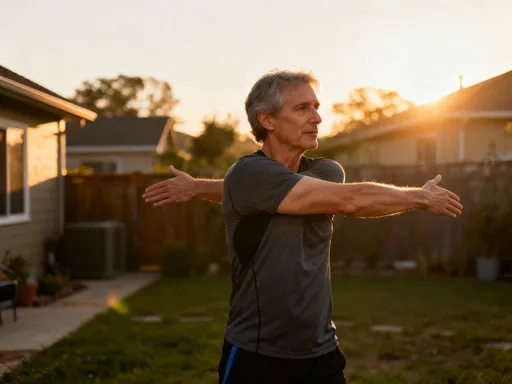
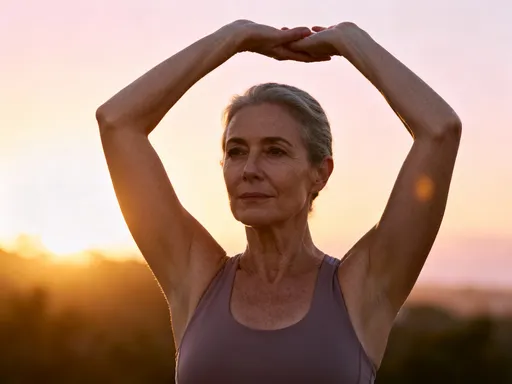
You don’t need intense workouts to reap these benefits. Simple, consistent activities like walking, stretching, or light strength training are highly effective. A daily 30-minute walk, for example, boosts circulation without placing excessive strain on the body. Stretching routines, especially in the morning or before bed, improve flexibility and encourage lymphatic drainage, which helps reduce fluid retention and facial puffiness. Strength training, even with light weights or resistance bands, supports muscle tone and overall metabolic health, which in turn benefits the skin.
The lymphatic system, which helps remove waste and fight infection, relies on movement to function efficiently. Unlike the circulatory system, it does not have a pump like the heart. Instead, it depends on muscle contractions to move lymph fluid through the body. Sedentary lifestyles can lead to stagnation, contributing to dull skin, swelling, and slower healing. Incorporating regular movement into daily life—such as taking the stairs, gardening, or doing household chores—keeps the lymphatic system active and supports skin clarity.
Beyond the physical benefits, exercise also reduces stress and improves sleep, both of which are essential for healthy aging. The combination of better circulation, reduced inflammation, and hormonal balance creates an internal environment where skin can thrive. Over time, those who stay active tend to have firmer, more resilient skin and a more vibrant appearance. Movement is not just about fitness—it is a powerful, accessible tool for sustaining youthfulness from the inside out.
Simple, Sustainable Swaps That Make a Difference
Anti-aging doesn’t require drastic changes or expensive treatments. Lasting results come from small, consistent improvements that fit seamlessly into daily life. One of the easiest and most effective swaps is lowering the temperature of showers. Warm water cleanses effectively without stripping natural oils, preserving the skin’s moisture barrier. Pair this with a fragrance-free, sulfate-free body wash to further protect the skin’s delicate balance.
Another impactful change is incorporating body oil or a rich moisturizer immediately after bathing. While lotions are common, oils provide a stronger occlusive layer, locking in moisture more effectively. Applying it to damp skin enhances absorption and leaves the skin feeling soft and supple. For the hands and neck—areas that show age quickly—using a broad-spectrum sunscreen every day, even indoors, prevents cumulative UV damage and dark spots.
Gentle exfoliation once or twice a week removes dead skin cells, allowing moisturizers to penetrate more deeply and revealing a smoother surface. However, over-exfoliating can cause irritation and weaken the barrier, so moderation is key. Using a soft brush, loofah, or chemical exfoliant with lactic or glycolic acid once a week is sufficient for most skin types.
Clothing choices also play a role. Tight synthetic fabrics can trap sweat and friction, leading to irritation and clogged pores, especially in warmer months. Opting for breathable, natural fibers like cotton allows the skin to breathe and reduces the risk of inflammation. Similarly, wearing hats and long sleeves during peak sun hours offers physical protection without relying solely on sunscreen.
These adjustments are not about perfection but progress. They are realistic, low-cost, and easy to maintain. Over weeks and months, the benefits become visible: skin feels more hydrated, looks more even, and regains a natural glow. Energy levels may improve, and the body feels more resilient. Anti-aging is not a destination—it is a daily practice of care, awareness, and respect for the body’s needs. By making mindful choices today, women can support their health and appearance for years to come, aging not just gracefully, but powerfully.