Time Stopped Playing Fair? Here’s How I Fought Back Naturally
Aging isn’t something we can stop, but how we age is more within our control than most think. I used to feel tired all the time, notice fine lines creeping in, and wonder if vitality was just for the young. Then I shifted my daily habits—no extreme diets, no miracle pills. Just science-backed, sustainable choices in nutrition, movement, and mindset. What changed? More energy, clearer skin, better sleep. This isn’t about looking younger—it’s about feeling stronger, sharper, and more alive as the years go on. The truth is, aging doesn’t have to mean decline. With the right daily practices, supported by research and real-life experience, it’s possible to maintain strength, clarity, and resilience well into later life. This journey isn’t about reversing time. It’s about honoring it—by making choices today that allow tomorrow to feel just as vibrant.
The Wake-Up Call: Recognizing the Early Signs of Aging
For many women in their 30s, 40s, and beyond, the first hints of aging arrive quietly. A lack of energy in the afternoons. Difficulty focusing during conversations. Joint stiffness when standing up from the couch. These moments often go unnoticed or are dismissed as normal consequences of getting older. But they’re more than just signs of time passing—they’re signals from the body that something is shifting beneath the surface. The idea that fatigue, memory lapses, or slower recovery are simply part of aging is deeply ingrained, but it’s also misleading. While chronological age is fixed, biological age—the condition of your cells, tissues, and systems—can be influenced by lifestyle.
Scientific understanding of aging has evolved significantly. Researchers now know that many of the changes once considered inevitable are actually accelerated by everyday habits. Poor sleep, chronic stress, lack of physical activity, and diets high in processed foods can all contribute to cellular wear and tear. This process, known as oxidative stress, damages DNA and impairs the body’s ability to repair itself. Over time, this leads to visible signs like wrinkles and sagging skin, but also internal changes such as reduced muscle mass, slower metabolism, and weakened immune function. These aren’t just cosmetic concerns—they affect how you feel, move, and think every day.
Recognizing these early signs is the first step toward taking control. When fatigue becomes constant rather than occasional, when minor aches persist, or when you find yourself forgetting appointments more often, it’s worth paying attention. These aren’t flaws to be hidden or accepted—they’re cues to adjust course. The good news is that the body is remarkably responsive to change. Even small improvements in sleep quality, hydration, or daily movement can lead to noticeable shifts in energy and mood. By reframing aging as a dynamic process shaped by choices, not just time, it becomes possible to approach the years ahead with confidence rather than fear.
Fueling Longevity: The Role of Nutrition in Cellular Health
What you eat plays a central role in how your body ages at the cellular level. Every bite influences the internal environment where trillions of cells carry out their functions. A diet rich in whole, unprocessed foods supports cellular repair, reduces inflammation, and helps protect against oxidative damage—the kind of damage that accelerates aging. On the other hand, diets high in refined sugars, unhealthy fats, and artificial ingredients can increase inflammation and disrupt metabolic balance, making the body work harder just to maintain basic functions.
One of the most powerful tools for slowing cellular aging is the consistent intake of antioxidants. These compounds, found abundantly in colorful fruits and vegetables, help neutralize free radicals—unstable molecules that damage cells. Foods like blueberries, spinach, kale, and sweet potatoes are packed with nutrients such as vitamins C and E, beta-carotene, and polyphenols, all of which contribute to cellular defense. Omega-3 fatty acids, found in fatty fish like salmon and in flaxseeds and walnuts, also play a key role by supporting cell membrane integrity and reducing chronic inflammation, a known driver of aging.
Equally important is how you eat. Maintaining stable blood sugar levels throughout the day helps prevent energy crashes and reduces strain on the body’s insulin response system. This means favoring balanced meals that include fiber-rich carbohydrates, lean protein, and healthy fats. Instead of large, infrequent meals, smaller, more regular ones can support steady energy and better digestion. Hydration also matters—water is essential for nutrient transport, detoxification, and skin elasticity. Drinking enough fluids daily supports every system in the body, from the brain to the gut.
It’s not about perfection. No single food or supplement can reverse aging, and extreme diets often lead to burnout. The goal is consistency—making choices most of the time that nourish the body and support long-term health. Over time, these small, sustainable decisions add up to meaningful changes: more energy, improved digestion, and a stronger foundation for aging well.
Move It or Lose It: Why Daily Movement Slows Biological Aging
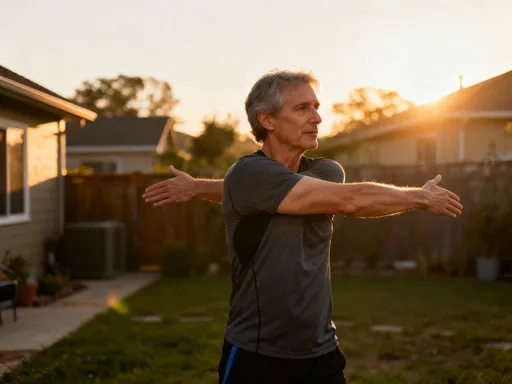
Physical activity is one of the most effective, yet underused, tools for healthy aging. It does far more than help manage weight—it directly influences how cells and systems function over time. Regular movement supports mitochondrial health, the energy-producing centers within cells. As we age, mitochondria become less efficient, leading to fatigue and slower recovery. Exercise helps maintain their function, keeping energy levels more stable. It also preserves muscle mass, which naturally declines with age—a process called sarcopenia. Losing muscle doesn’t just affect strength; it slows metabolism and increases the risk of falls and fractures.
The benefits of movement extend beyond muscles and metabolism. Aerobic exercise, such as brisk walking, swimming, or cycling, strengthens the heart and improves circulation, delivering oxygen and nutrients more efficiently throughout the body. This supports brain health, reduces inflammation, and enhances overall endurance. Strength training, even with light weights or resistance bands, builds and maintains muscle, improves bone density, and supports joint stability. Flexibility and balance exercises, like yoga or tai chi, reduce stiffness, improve posture, and lower the risk of injury—especially important as coordination and reflexes naturally change with age.
The good news is that you don’t need to run marathons or spend hours in the gym to see benefits. Research consistently shows that even moderate increases in daily activity can have a significant impact. Walking for 30 minutes a day, taking the stairs instead of the elevator, or standing up and stretching every hour can all contribute to better health over time. The key is consistency. It’s not about intensity—it’s about showing up for your body every day, in whatever way feels sustainable. Over time, these small efforts compound, leading to stronger bones, sharper thinking, and greater independence in later years.
Sleep: The Overlooked Supercharger of Youthful Function
Sleep is when the body does some of its most important work. During deep rest, cells repair damage, the brain clears out metabolic waste, and hormones regulate processes like metabolism, mood, and immune function. Yet, for many women, especially during perimenopause and beyond, quality sleep becomes harder to achieve. Waking up at night, difficulty falling asleep, or feeling unrested in the morning are common complaints. While some changes in sleep patterns are part of natural aging, poor sleep quality is not inevitable—and it has real consequences for how quickly the body ages.
Chronic sleep deprivation disrupts the balance of key hormones, including cortisol, insulin, and melatonin. Elevated cortisol, the stress hormone, increases inflammation and can lead to weight gain, particularly around the abdomen. Poor sleep also impairs glucose regulation, raising the risk of insulin resistance over time. At the cellular level, lack of rest is linked to shorter telomeres—the protective caps on the ends of chromosomes that shorten with age. Shorter telomeres are associated with accelerated biological aging and a higher risk of age-related conditions.
Improving sleep doesn’t require drastic changes. Simple, consistent habits can make a big difference. Going to bed and waking up at the same time every day—even on weekends—helps regulate the body’s internal clock. Reducing screen exposure in the evening, especially from phones and tablets, limits blue light that suppresses melatonin production. Creating a calming bedtime routine, such as reading a book, taking a warm bath, or practicing gentle stretching, signals to the body that it’s time to wind down. Keeping the bedroom cool, dark, and quiet also supports deeper, more restorative sleep. These practices don’t just improve how you feel in the morning—they support long-term cellular health and cognitive function.
Stress Management: Calming the Mind to Slow Aging
Stress is a silent accelerator of aging. While short-term stress is a normal part of life, chronic stress—when the body remains in a constant state of alert—takes a toll on every system. It increases inflammation, disrupts digestion, weakens immunity, and affects hormone balance. One of the most well-documented effects of long-term stress is its impact on telomeres. Studies have shown that people who experience high levels of chronic stress tend to have shorter telomeres, a biological marker of accelerated aging. The mind and body are deeply connected, and how we respond to daily pressures directly influences our physical health.
The good news is that stress can be managed with simple, accessible practices. Mindfulness—the act of paying attention to the present moment without judgment—has been shown to reduce cortisol levels and improve emotional regulation. Just a few minutes a day of focused breathing or quiet reflection can help reset the nervous system. Deep breathing exercises, such as diaphragmatic breathing or box breathing, activate the parasympathetic nervous system, which promotes relaxation and counteracts the fight-or-flight response.
Spending time in nature also has a calming effect on the mind and body. Whether it’s a walk in the park, gardening, or sitting under a tree, being outdoors reduces stress hormones and improves mood. Even bringing elements of nature indoors—like houseplants or natural light—can support mental well-being. Building moments of stillness into the day doesn’t require large blocks of time. It’s about creating small pauses—between tasks, after dropping the kids off, or before bed—to reconnect with yourself. Over time, these practices build resilience, helping you respond to life’s challenges with greater calm and clarity.
Skincare from the Inside Out: Beyond Serums and Creams
While skincare products play a role in maintaining a healthy complexion, true skin longevity begins from within. The skin is the body’s largest organ, and its appearance reflects internal health. Dehydration, poor nutrition, and chronic inflammation can all manifest as dryness, dullness, or premature wrinkles. Sun exposure remains the leading external factor in skin aging, but internal factors like blood sugar control and antioxidant intake are equally important.
Hydration is foundational. Drinking enough water supports skin elasticity and helps flush out toxins. Nutrients like vitamin C are essential for collagen production, the protein that keeps skin firm and supple. Omega-3 fatty acids reduce inflammation and help maintain the skin’s natural barrier, preventing moisture loss. Foods rich in antioxidants—berries, leafy greens, nuts, and seeds—protect skin cells from oxidative damage caused by environmental stressors like pollution and UV rays.
Sun protection is non-negotiable. Daily use of broad-spectrum sunscreen, even on cloudy days, prevents photoaging—the premature aging of skin due to sun exposure. Wearing hats and seeking shade during peak hours adds another layer of defense. But skincare isn’t just about prevention. It’s also about supporting the skin’s natural renewal cycle. Getting enough sleep, managing stress, and avoiding smoking all contribute to a healthier complexion. The goal isn’t to erase every line, but to support skin that feels strong, hydrated, and resilient—because healthy skin is a reflection of a healthy body.
Building a Sustainable Routine: Small Steps That Last
Lasting change doesn’t come from drastic overhauls. It comes from small, consistent actions that become part of daily life. The most effective anti-aging strategies are not extreme diets, expensive treatments, or time-consuming regimens. They are simple, science-backed habits that can be maintained over years. The key is to start small and build gradually. Trying to change everything at once often leads to frustration and burnout. Instead, focus on one area at a time—improving sleep, adding a daily walk, or drinking more water—and let that become routine before adding the next.
Tracking progress can be motivating. Keeping a simple journal to note energy levels, mood, or sleep quality helps identify what’s working and what needs adjustment. It also provides a record of how far you’ve come, which can be especially encouraging during moments of doubt. Seeking guidance from trusted healthcare providers—such as a doctor, dietitian, or physical therapist—ensures that your approach is safe and tailored to your individual needs. Health is not one-size-fits-all, and professional input can help navigate any underlying conditions or concerns.
Ultimately, aging well is about making choices that honor your body and mind. It’s about feeling strong enough to play with your children or grandchildren, clear-minded enough to pursue new interests, and resilient enough to handle life’s changes. These habits aren’t about chasing youth—they’re about building a life of vitality, no matter your age. By focusing on nutrition, movement, sleep, and stress management, you’re not just slowing down aging. You’re creating a foundation for a healthier, more vibrant future—one small step at a time.