What I Learned About Sleep the Hard Way — And How It Changed My Recovery
Getting enough sleep isn’t just about feeling rested—it’s a core part of healing. I used to overlook this until my own recovery stalled. Only when I faced the consequences did I realize how deeply poor sleep affects rehabilitation. This isn’t about quick fixes, but real, sustainable changes. Let me walk you through the mistakes I made, the science behind them, and what actually helped me rebuild better sleep—and a stronger recovery.
The Wake-Up Call: When Recovery Stopped Working
For months, I followed every instruction during my rehabilitation. I attended physical therapy sessions without fail, did my prescribed exercises at home, and carefully managed my diet. Yet, despite all this effort, my progress plateaued. Pain lingered longer than expected, fatigue clung to me like a second skin, and even simple movements felt exhausting. I began to question whether I was doing something wrong—until my therapist asked a question I hadn’t considered: “How well are you sleeping?”
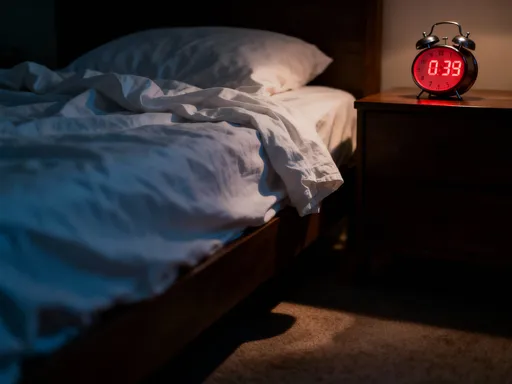
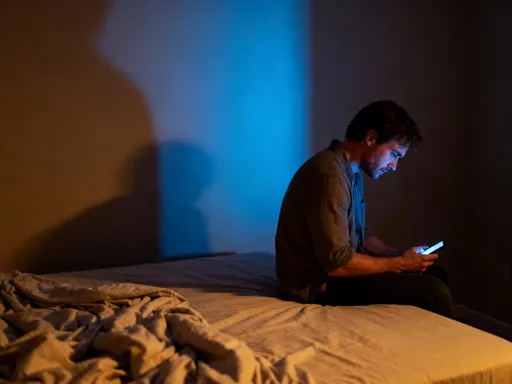
That moment was a turning point. I realized that while I was focusing on active treatments, I had completely neglected rest. My nights were irregular—sometimes I stayed up late watching television, other times I was jolted awake by discomfort or stress. I assumed sleep would naturally improve as my body healed. But the truth was the opposite: without quality sleep, healing could not keep pace. The body’s ability to repair tissue, regulate inflammation, and restore energy is deeply tied to rest, especially during deep sleep cycles. My nervous system, already taxed by injury and recovery demands, was not getting the downtime it needed to reset.
The mindset of “I’ll sleep when I’m healed” is dangerously common. Many people believe that rest is a reward for recovery, not a requirement. But science shows that sleep is not passive; it is an active state of restoration. When we delay or disrupt sleep, we interfere with hormonal balance, immune function, and neural recovery—all essential components of rehabilitation. In my case, ignoring sleep wasn’t just slowing progress—it was undermining it. Only when I started treating sleep as a medical priority did I begin to see meaningful change.
Pitfall #1: Ignoring Sleep as Active Healing Time
One of the most persistent misconceptions about sleep is that it’s a period of inactivity—a blank space between waking hours. This belief leads many to treat sleep as expendable, especially during recovery when time feels limited and productivity feels urgent. But nothing could be further from the truth. During deep sleep, particularly in the stages known as slow-wave sleep, the body enters a state of intense biological repair. Growth hormone is released in pulses, stimulating tissue regeneration in muscles, bones, and connective tissues. This is when the body rebuilds what was damaged, whether from surgery, injury, or chronic strain.
At the same time, the brain clears metabolic waste through the glymphatic system, a process that peaks during sleep. This detoxification supports cognitive recovery and reduces neuroinflammation, which is crucial for anyone dealing with pain, trauma, or neurological rehabilitation. Immune cells also become more active during rest, helping to regulate inflammation and fight off secondary infections that can complicate healing. When sleep is cut short or fragmented, these processes are interrupted, leading to slower recovery times and increased vulnerability to setbacks.
For someone in rehabilitation, the cost of poor sleep is measurable. Studies show that individuals who consistently get less than seven hours of quality sleep experience delayed muscle recovery, heightened pain sensitivity, and reduced tolerance for physical therapy. In my own experience, nights of poor sleep were followed by days when even mild exercise triggered discomfort. My muscles felt stiff, my joints ached more, and my motivation dipped. What I once dismissed as “just having a bad day” was, in fact, a direct result of disrupted healing cycles. Recognizing sleep as an active contributor to recovery—not just a passive outcome—was essential to changing my approach.
Pitfall #2: Overrelying on Medication Without Fixing Root Causes
In the early stages of my struggle with sleep, I turned to over-the-counter sleep aids. They worked—at first. I fell asleep faster and stayed asleep longer. But soon, I found myself needing them nightly. When I tried to stop, my insomnia returned, often worse than before. I had fallen into a common trap: using medication to mask symptoms without addressing the underlying causes of poor sleep. While short-term use of sleep aids can be appropriate under medical supervision, long-term reliance often leads to dependency and diminishes the body’s natural ability to initiate and maintain sleep.
The root causes of sleep disruption during recovery are often complex. Stress, anxiety about progress, physical discomfort, and irregular daily routines all play a role. Medications may quiet the mind temporarily, but they do not resolve these deeper issues. In fact, they can create a false sense of control, leading individuals to neglect behavioral changes that are more sustainable. For example, if someone uses a pill to fall asleep at midnight but continues to spend hours on screens, consume caffeine late in the day, or skip morning sunlight exposure, the foundation for healthy sleep remains weak.
Research consistently supports non-pharmacological approaches as first-line strategies in rehabilitation settings. Cognitive behavioral therapy for insomnia (CBT-I), sleep hygiene education, and relaxation techniques have been shown to produce longer-lasting improvements than medication alone. These methods work by retraining the brain and body to associate bedtime with calmness and safety, rather than stress or dependency. In my case, working with a therapist to develop a personalized sleep plan—without medication—was far more effective. I learned to manage nighttime anxiety through breathing exercises, adjusted my environment for comfort, and gradually restored my natural sleep rhythm. The progress was slower than with pills, but it was real and lasting.
Pitfall #3: Inconsistent Routines Sabotaging Circadian Rhythms
Another major obstacle I faced was inconsistency in my daily schedule. Some nights I went to bed early; others I stayed up late to finish household tasks or unwind after therapy. Weekends were especially unpredictable. I didn’t realize how much this irregularity was harming my recovery. The human body runs on a circadian rhythm—a 24-hour internal clock regulated by light, temperature, and routine. This rhythm controls the release of key hormones like melatonin, which signals sleep, and cortisol, which promotes wakefulness. When sleep and wake times shift dramatically from day to day, this system becomes confused, leading to poor sleep quality and daytime fatigue.
During my rehabilitation, I often had afternoon therapy sessions. Afterward, I would feel drained and nap for an hour or two in the evening. While this seemed helpful at the time, it disrupted my ability to fall asleep at night. Late naps, especially those occurring after 4 p.m., can suppress melatonin release and delay sleep onset. Over time, this created a cycle: I stayed up late because I wasn’t tired, then woke up groggy, struggled through the next day, and needed another nap—repeating the pattern. My cortisol levels were out of sync, leaving me simultaneously exhausted and alert at the wrong times.
The impact extended beyond sleep. My mood became more fragile, my focus weakened, and my physical performance in therapy declined. I lacked the stamina to complete exercises and felt discouraged by my lack of progress. What I didn’t understand was that my body wasn’t resisting recovery—it was responding to a disrupted biological clock. Once I committed to a consistent wake-up time, even on weekends, and limited naps to 20–30 minutes before 3 p.m., I noticed a dramatic improvement. My energy stabilized, my sleep deepened, and my therapy sessions became more productive. Aligning my routine with natural light-dark cycles—getting morning sunlight and reducing artificial light at night—further strengthened this rhythm, proving that consistency is not just helpful but essential.
Building a Sleep-First Mindset in Rehabilitation
One of the most transformative shifts in my recovery journey was changing how I viewed sleep. I stopped seeing it as downtime and began treating it as a vital treatment—just as important as physical therapy, nutrition, or medication. This “sleep-first” mindset meant making rest a non-negotiable part of my daily plan. I scheduled it like an appointment, protected it from distractions, and measured its quality as closely as I tracked my exercise repetitions.
Integrating sleep hygiene into my rehabilitation plan made a significant difference. Sleep hygiene refers to a set of practices that support consistent, high-quality sleep. These include maintaining a cool, dark, and quiet bedroom; avoiding screens before bedtime; limiting caffeine and heavy meals in the evening; and establishing a calming pre-sleep routine. I started winding down with gentle stretching, reading a book, or listening to soft music. I removed my phone from the bedroom and invested in blackout curtains. These small changes, when practiced consistently, created a powerful cumulative effect.
Healthcare providers also play a crucial role in reinforcing this mindset. Too often, sleep is discussed as an afterthought in rehabilitation programs. Yet, therapists and doctors who proactively assess sleep patterns, educate patients about their importance, and incorporate rest strategies into treatment plans see better outcomes. Simple actions—like asking about sleep quality at every visit, recommending relaxation techniques, or adjusting therapy schedules to avoid late-day fatigue—can make a meaningful difference. When rest is treated as a core component of healing, patients are more likely to prioritize it.
What Actually Worked: Simple Changes with Real Results
My journey to better sleep wasn’t about dramatic overhauls but consistent, manageable changes. The first step was setting a fixed bedtime and wake-up time, even on weekends. This alone helped stabilize my circadian rhythm. I made my bedroom a sleep sanctuary—cool, dark, and free from electronic distractions. I stopped using screens at least 90 minutes before bed, replacing that time with quiet activities like journaling or light reading. I also avoided caffeine after noon and limited fluids in the evening to reduce nighttime awakenings.
Over time, I began to notice tangible improvements. My energy levels increased, and I no longer felt overwhelmed by daily tasks. Pain intensity decreased, and I could participate more fully in physical therapy. Movements that once caused discomfort became easier, and my endurance improved. Perhaps most surprisingly, my mental clarity returned. I felt more focused, less irritable, and emotionally more resilient. I wasn’t just sleeping better—I was healing better.
Progress wasn’t immediate. It took several weeks to see clear results, and there were setbacks along the way. But the changes were steady and sustainable. Unlike medication, which offered temporary relief, these habits built a foundation for long-term health. I learned that healing is not just about pushing through pain or maximizing activity—it’s about creating the right conditions for the body to repair itself. And one of the most powerful conditions is rest.
Conclusion: Sleep Isn’t a Luxury—It’s Part of the Cure
Looking back, I realize that my recovery stalled not because I lacked effort, but because I misunderstood the role of sleep. I thought healing happened only during therapy sessions or through medical interventions. But the truth is, some of the most important healing occurs when we are still—when we are asleep. Sleep supports tissue repair, regulates inflammation, sharpens mental function, and strengthens emotional resilience. It is not a luxury to be earned after recovery; it is a necessity that enables recovery.
The lessons I learned the hard way are supported by science and echoed by countless others on similar journeys. Prioritizing sleep is not a sign of weakness or laziness—it is an act of self-care and a commitment to healing. It requires intention, consistency, and sometimes, professional guidance. But the rewards are profound: faster recovery, reduced pain, improved mood, and greater overall well-being.
If you are in rehabilitation, I encourage you to take an honest look at your sleep habits. Are you giving your body the rest it needs to heal? Are you treating sleep as a priority, or letting it fall through the cracks? Small changes can lead to big results. And if you’re struggling, don’t hesitate to seek support from your healthcare team. Healing works best when we stop pushing through exhaustion and start honoring rest. Because true recovery doesn’t happen in spite of rest—it happens because of it.