How I Made Exercise a No-Brainer in My Daily Life
We all know exercise is good for us, but let’s be real—sticking to it is hard. I used to skip workouts constantly, feeling guilty and stuck. Then I shifted my mindset and made small, doable changes that actually stuck. No gym obsession, no strict routines. Just simple, sustainable moves that fit my lifestyle. This is how I turned movement into a natural part of my day—and how you can too. It wasn’t about willpower or drastic transformations. It was about redefining what counts as exercise, removing mental barriers, and designing a life where moving felt effortless. Over time, these tiny choices added up to real, lasting change—without burnout, guilt, or pressure.
The Real Struggle with Consistency
For years, I believed that if I wasn’t doing a 45-minute structured workout, I wasn’t really exercising. I would set ambitious goals: five days at the gym, hour-long classes, high-intensity routines. And every time, within a few weeks, life would get in the way. A sick child, a busy week at work, or just plain exhaustion would derail my plans. Each missed session left me feeling guilty, defeated, and further from my goal. I wasn’t alone in this. Research shows that nearly half of all adults in the United States start a new fitness plan each year, but fewer than 10% maintain it long-term. The problem isn’t laziness or lack of knowledge—it’s the expectation that exercise must look a certain way.
The traditional fitness model often promotes an all-or-nothing mindset: you’re either fully committed or you’ve failed. This creates a cycle of starting strong, falling off, and then giving up entirely. For many women in their 30s, 40s, and 50s, this pattern is especially frustrating. Responsibilities pile up—managing households, caring for children or aging parents, holding down jobs—and finding time for a full workout can feel impossible. Even when time is available, energy levels may be low, especially after a long day of emotional and physical labor. The idea of changing into gym clothes, driving to a facility, and pushing through a tough class can feel more like a chore than a benefit.
What helped me break this cycle was realizing that exercise doesn’t have to be formal or intense to be valuable. Movement is movement, regardless of form. A 10-minute walk around the block, stretching while watching the evening news, or dancing in the kitchen while dinner cooks—all of these count. When I stopped waiting for the perfect moment or the ideal routine, I began to see opportunities for movement everywhere. This shift in perspective didn’t just make exercise more accessible; it made it feel less like a burden and more like a natural part of living well.
Why Lifestyle Beats Routine
Science supports the idea that frequent, low-intensity movement throughout the day can be just as beneficial as a single intense workout. Studies from the American Heart Association show that accumulating 150 minutes of moderate activity per week—whether in 30-minute chunks or 10-minute bursts—leads to improved cardiovascular health, better blood sugar control, and reduced risk of chronic disease. What matters most is consistency, not the format. In fact, research published in the British Journal of Sports Medicine found that people who spread their activity across the day had lower mortality rates than those who exercised intensely but remained sedentary the rest of the time.
This insight changed how I thought about fitness. Instead of focusing on carving out large blocks of time for exercise, I began to integrate movement into my existing routines. I started taking walking meetings when possible, choosing to stand while folding laundry, and parking farther from store entrances. These small choices didn’t require extra time or effort, but over the course of a day, they added up. The cumulative effect was surprising: more energy, better digestion, and a calmer mind. I wasn’t sweating or tracking reps, but I was moving—and that made all the difference.
Structured workouts still have their place, but they don’t have to be the foundation of a healthy lifestyle. For many, the pressure to perform in a gym setting creates anxiety rather than enjoyment. Lifestyle-based activity, on the other hand, removes the performance aspect. There’s no need to compare yourself to others, no timer pushing you forward, no pressure to keep up. It’s simply about listening to your body and moving in ways that feel good. This approach is especially effective for long-term adherence because it’s adaptable, low-pressure, and fits seamlessly into daily life.
Additionally, lifestyle movement supports metabolic health by reducing prolonged sitting, which has been linked to increased risks of heart disease, diabetes, and even certain cancers. The human body is designed to move frequently, not sit for hours and then burst into intense activity. By building in regular movement breaks—standing up every 30 minutes, pacing during phone calls, or doing a few squats while waiting for the kettle to boil—we align our habits with our biology. Over time, these micro-movements improve circulation, reduce stiffness, and keep our muscles and joints functioning well.
Rethinking What 'Counts' as Exercise
One of the biggest obstacles to consistent movement is the belief that only certain types of activity “count.” Many people dismiss walking, housework, or playing with children as insufficient forms of exercise. But the truth is, any physical effort that raises your heart rate slightly and engages your muscles contributes to your overall health. Non-exercise activity thermogenesis (NEAT), a term used in metabolic research, refers to the calories burned through everyday movement—things like cooking, cleaning, gardening, and even fidgeting. Studies show that NEAT can vary by up to 2,000 calories per day between individuals, making it a significant factor in long-term weight management and metabolic health.
When I began tracking my own NEAT, I was surprised by how much I was already doing. Walking to the mailbox, carrying groceries, playing with my dog, and even hand-washing dishes all contributed to my daily movement total. Once I recognized these actions as valid forms of exercise, I stopped feeling guilty for not doing a formal workout. Instead, I started appreciating the effort I was already putting in. This mindset shift reduced the pressure to “do more” and allowed me to build on what I was already doing.
To help others see the value in everyday movement, I began experimenting with small additions. After meals, I took a 10-minute walk around the neighborhood. While watching TV, I did seated leg lifts or gentle stretches. On weekends, I spent time gardening or cleaning out closets—activities that kept me on my feet for extended periods. These weren’t workouts in the traditional sense, but they kept my body active and my mind engaged. Over time, I noticed improvements in my stamina, posture, and mood. I wasn’t chasing a number on a scale; I was simply moving more, and my body responded positively.
Reframing what counts as exercise also opens the door to more creativity and variety. Instead of feeling stuck with repetitive routines, you can explore different ways to move that fit your interests and schedule. For example, a 15-minute dance session to your favorite songs, a stroll through a local park, or even washing the car by hand can all be effective forms of physical activity. The key is to let go of rigid definitions and embrace movement in all its forms. When you do, exercise stops being a chore and starts feeling like a natural, enjoyable part of your day.
Building Invisible Habits That Stick
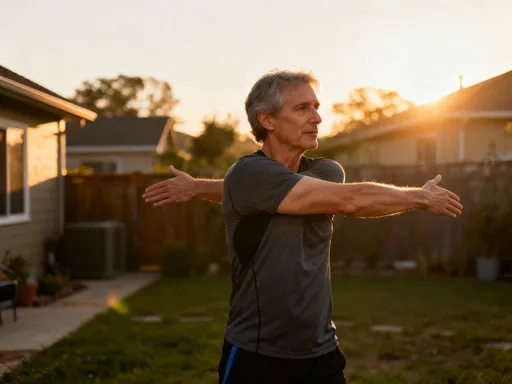
One of the most effective strategies I discovered was habit stacking—pairing a new behavior with an existing routine. For example, I began doing a few shoulder rolls and neck stretches while my morning coffee brewed. Since I already had a consistent coffee habit, adding a short movement practice required no extra effort or decision-making. Over time, the two actions became linked, and I began to look forward to that moment of gentle movement to start the day. Habit stacking works because it reduces the mental load of starting something new. You’re not adding a separate task; you’re simply expanding an existing one.
Another powerful tool was environment design. I placed a pair of comfortable walking shoes by the front door so they were visible and easy to grab. I set my phone to remind me to stand and stretch every hour. I replaced my dining chair with a stability ball for part of the day to engage my core while working. These small changes made movement more accessible and reduced the friction that often prevents action. When the path of least resistance leads to movement, consistency becomes much easier.
I also used step tracking as a gentle motivator. Rather than setting aggressive goals, I aimed to increase my daily steps by just 500 at first. Once that felt natural, I added another 500. This gradual approach prevented overwhelm and built confidence. I didn’t focus on hitting 10,000 steps every day; I focused on progress. Celebrating small wins—like choosing the stairs instead of the elevator or walking to a nearby store instead of driving—helped reinforce positive behavior.
What made these habits stick wasn’t perfection but consistency. I allowed myself to miss days without guilt. I adjusted my approach based on how I felt—some days I walked, others I simply stood more. The goal wasn’t to follow a rigid plan but to create a lifestyle where movement was woven into the fabric of my day. Over time, these invisible habits became automatic, requiring little thought or effort. That’s when I knew I had truly shifted my relationship with exercise.
Finding Joy, Not Just Results
For years, I approached exercise with a goal-oriented mindset: lose weight, tone up, fit into a certain dress size. But that focus on external outcomes made movement feel like a punishment rather than a gift. When I shifted my attention to how physical activity made me feel—more energized, less anxious, more present—I began to enjoy it in a new way. The emotional benefits became the real reward. On days when I moved, I slept better, handled stress more calmly, and felt a greater sense of well-being. These internal rewards were more motivating than any number on a scale.
With this new perspective, I started exploring activities purely for enjoyment. I joined a beginner’s line dancing class, not because it burned the most calories, but because it made me laugh and feel light-hearted. I took weekend hikes with friends, appreciating nature and conversation as much as the physical challenge. I played frisbee with my kids in the backyard, losing track of time in the joy of the moment. These experiences reminded me that movement doesn’t have to be serious or structured to be valuable.
When you focus on joy, exercise stops being something you have to do and starts being something you get to do. It becomes a form of self-care, a way to honor your body and mind. This intrinsic motivation is far more sustainable than chasing external rewards. You’re no longer dependent on results to stay committed; you’re motivated by how you feel in the moment. That shift in mindset is powerful. It allows you to keep moving even when progress seems slow, because the act itself is satisfying.
Encouraging this mindset in others means letting go of performance metrics and embracing personal preference. Some people love yoga, others prefer gardening or swimming. The best form of exercise is the one you enjoy enough to do regularly. By removing the pressure to “do it right,” we open the door to a more flexible, compassionate, and lasting approach to physical activity.
Overcoming Mental Roadblocks
Even with the best intentions, mental barriers can derail progress. Common excuses like “I don’t have time,” “I’m too tired,” or “I hate working out” are deeply ingrained for many. These thoughts aren’t flaws—they’re natural responses to past experiences and societal messages about exercise. The key is not to fight them but to reframe them. For example, instead of seeing “no time” as a barrier, I adopted the two-minute rule: if I could move for just two minutes, it counted. Two minutes of stretching, marching in place, or walking around the house was enough to break the inertia. Often, starting small led to doing more than planned.
Another helpful reframe was recognizing that movement can actually increase energy rather than deplete it. Many assume that when they’re tired, rest is the only solution. But research shows that light to moderate physical activity can boost circulation, improve oxygen flow to the brain, and enhance alertness. A short walk or a few minutes of gentle movement often left me feeling more refreshed than sitting down to rest. This realization helped me shift from seeing exercise as draining to seeing it as energizing.
I also let go of the need to “love” exercise. You don’t have to enjoy every moment to benefit from it. Some days, movement felt good; other days, it was just something I did for my health. That’s okay. Progress doesn’t require enthusiasm—just action. By lowering the emotional bar, I removed a major obstacle to consistency. I didn’t need to feel motivated to move; I just needed to take one small step.
Setbacks were inevitable, but I learned to normalize them. Missing a day didn’t mean failure; it meant I was human. What mattered was returning to the habit without self-criticism. I focused on effort, not perfection. Over time, this compassionate approach built resilience and made it easier to stay on track, even during busy or stressful periods.
Making It Personal and Sustainable
The final piece of the puzzle was personalization. What works for one person may not work for another, and that’s perfectly fine. I began paying attention to how different types of movement affected my mood, energy, and sleep. I noticed that morning walks gave me more focus during the day, while evening stretching helped me unwind. I adjusted my approach based on the season—more indoor movement in winter, more outdoor activity in spring and summer. I also adapted during life changes, like illness or travel, without guilt.
Sustainability comes from flexibility, not rigidity. A plan that doesn’t allow for change is doomed to fail. Instead of following a fixed routine, I created a set of movement options I could choose from based on how I felt. Some days that meant a brisk walk, others a restorative yoga session, and some days just standing more. This flexibility kept me engaged and prevented burnout.
Daily movement, I’ve learned, is not about punishment or perfection. It’s a gentle commitment to self-care, a way of saying yes to your long-term well-being. It’s about honoring your body by keeping it active, strong, and resilient. When you approach exercise as a form of kindness rather than a chore, it becomes something you look forward to, not dread. And that, more than any workout plan, is the secret to lasting change.