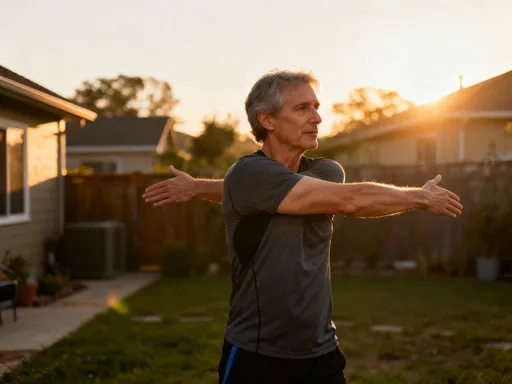
How a 15-Minute Daily Walk Changed Everything I Knew About My Health
I never thought something as simple as walking could reveal so much about my body. For years, I ignored small fatigue and occasional dizziness—until a routine checkup uncovered early signs of metabolic imbalance. That’s when I started a daily 15-minute walk, no gym, no drastic changes. Within weeks, my energy improved, and follow-up tests showed real progress. This isn’t a miracle cure—it’s awareness through action. Moderate exercise became my early warning system, and it might do the same for you.
The Wake-Up Call: When Small Symptoms Meant Something Bigger
Many people dismiss fatigue as a normal part of life, especially for women managing households, careers, and family responsibilities. Mild breathlessness after climbing stairs, occasional dizziness, or disrupted sleep are often brushed off as stress or aging. Yet, these subtle signs can be early indicators of deeper physiological shifts. In many cases, they reflect changes in blood sugar regulation, cardiovascular efficiency, or hormonal balance—systems that operate quietly until symptoms become harder to ignore.
The turning point often comes not from a crisis, but from a routine medical appointment. A standard blood panel might reveal slightly elevated glucose levels, borderline cholesterol readings, or minor liver enzyme fluctuations—findings that don’t warrant immediate treatment but signal increased risk over time. These results are not diagnoses, but invitations to act. They suggest that the body’s internal environment is shifting, and lifestyle choices can still influence the outcome.
What makes these early warnings powerful is their reversibility. Unlike advanced disease states, metabolic imbalances at this stage respond well to non-invasive interventions. Diet, hydration, sleep, and movement all play roles in restoring equilibrium. The key is recognizing that health is not just the absence of illness, but the presence of optimal function. And one of the most accessible tools for monitoring that function is something most people already know how to do: walking.
Walking requires no special skills, equipment, or financial investment. Yet, when done consistently, it becomes a mirror reflecting internal health. A walk that once felt effortless may suddenly feel taxing—this change alone can be meaningful. It’s not about pushing harder, but about paying attention. The body communicates through sensation, and regular movement creates the conditions for listening.
Why Moderate Exercise? The Science Behind the Simplicity
Moderate exercise is defined as physical activity that raises the heart rate slightly and allows for conversation, but not singing. Brisk walking, light cycling, or casual swimming all fall into this category. Unlike high-intensity training, which can strain unconditioned individuals, moderate exercise is sustainable and safe for most adults, including those with limited mobility or chronic conditions. Its benefits are not dramatic in the short term, but profoundly protective over time.
Research consistently shows that regular moderate movement supports circulation by improving blood vessel elasticity and reducing arterial stiffness. It enhances metabolic function by increasing insulin sensitivity, allowing cells to absorb glucose more efficiently. This reduces the burden on the pancreas and lowers the risk of developing type 2 diabetes. Additionally, moderate exercise stimulates lymphatic flow, aiding immune surveillance and reducing systemic inflammation—a silent contributor to many chronic diseases.
One of the most compelling aspects of moderate exercise is its impact on organ efficiency. The heart, lungs, liver, and even the brain function better when the body is regularly active. For example, studies have linked daily walking to improved cognitive performance and reduced risk of neurodegenerative conditions. These effects are not due to extreme exertion, but to consistent, low-level stimulation of physiological systems.
Crucially, the goal is not intensity, but consistency. A 15-minute walk five days a week provides enough stimulus to maintain muscle tone, support joint health, and regulate mood-related neurotransmitters like serotonin and dopamine. The cumulative effect is a body that operates with greater resilience. Unlike fad workouts that promise rapid results, moderate exercise builds a foundation of long-term wellness—one step at a time.
How Movement Acts as a Body Scanner
Think of the body as a finely tuned machine. When used regularly, small irregularities become noticeable: a slight hesitation in acceleration, an unusual vibration, or a change in fuel efficiency. In the same way, daily movement exposes subtle shifts in physical performance. Unexplained fatigue during a familiar walk, new joint stiffness, or an elevated resting heart rate can all serve as early signals that something has changed internally.
For instance, if climbing a flight of stairs now causes shortness of breath when it didn’t before, this may indicate reduced cardiovascular capacity. Similarly, persistent muscle soreness after light activity could suggest nutritional deficiencies, dehydration, or hormonal fluctuations. These observations are not meant to provoke anxiety, but to encourage awareness. They are prompts—not diagnoses—to consider what might be influencing the body’s performance.
The value of movement as a diagnostic tool lies in its regularity. Infrequent exercise makes it difficult to distinguish between normal exertion and abnormal responses. But when activity becomes routine, deviations stand out. A woman who walks daily may notice that her legs feel heavier on certain days, or that her breathing feels labored despite no change in pace. These cues can correlate with menstrual cycle phases, sleep quality, or dietary choices, offering insights that even medical tests might miss in isolation.
Importantly, this self-monitoring does not replace professional evaluation. Instead, it complements it. When a person can describe specific changes in their physical experience—such as “I’ve felt unusually tired during my walks for the past two weeks”—doctors have more context for assessment. Movement becomes a form of embodied data collection, enhancing the dialogue between patient and provider.
Building the Habit: Starting Small Without Overwhelm
One of the biggest obstacles to regular exercise is the perception that it must be time-consuming or intense. Many people envision hour-long gym sessions or strenuous workouts, which can feel unattainable amid busy schedules. The beauty of a 15-minute daily walk is its accessibility. It fits into most lifestyles without requiring major adjustments. The goal is not to transform into an athlete, but to establish a sustainable rhythm of movement.
A practical approach is to anchor the walk to an existing habit. Taking a stroll after breakfast, during a lunch break, or after dinner helps integrate it into the day naturally. Some find it helpful to walk while making phone calls, listening to audiobooks, or enjoying a podcast. These small pairings make the time feel productive rather than additive. The key is consistency, not duration or speed.
Comfort is essential for long-term adherence. Wearing supportive shoes and weather-appropriate clothing removes common barriers. A waterproof jacket, a sun hat, or a pair of moisture-wicking socks can make outdoor walking feasible in various conditions. For those with joint concerns, walking on even surfaces like paved trails or indoor malls reduces strain. Using a simple pedometer or smartphone app to track steps can provide gentle motivation, though the focus should remain on the act itself, not the numbers.
Common challenges include lack of time, low motivation, or physical discomfort. To address time constraints, breaking the walk into two 7- to 8-minute segments can be equally effective. Motivation often follows action—starting the walk, even reluctantly, frequently leads to improved mood and energy. For those with physical limitations, consulting a healthcare provider can help identify safe modifications. The aim is progress, not perfection. Even three days a week offers benefits, and frequency can increase gradually as the habit strengthens.
Tracking What Matters: Beyond Step Counters
While fitness trackers provide useful data, they only tell part of the story. Step counts, distance, and calories burned are measurable, but they don’t capture how a person feels. A more meaningful form of tracking involves mindful observation: noting energy levels, emotional state, and sleep quality before and after movement. These subjective experiences offer valuable insights into overall well-being.
A simple journal entry—just a few sentences—can reveal patterns over time. For example, writing “Walked after dinner. Felt lighter afterward. Slept better” creates a record that connects behavior with outcome. Over weeks, such notes may show that walks improve digestion, reduce evening anxiety, or enhance morning alertness. This self-awareness fosters a deeper relationship with one’s body and reinforces the value of the habit.
It’s important to avoid becoming obsessive about data. Fixating on step goals or heart rate zones can turn a healthy practice into a source of stress. The goal is not to achieve a specific number, but to cultivate presence. Paying attention to the rhythm of breathing, the sensation of feet touching the ground, or the changing scenery during a walk enhances mindfulness. This mental shift—from striving to noticing—can be as beneficial as the physical activity itself.
Moreover, self-observation complements clinical evaluations. When a person reports to their doctor, “I’ve been walking regularly, but lately I feel unusually fatigued even after rest,” it provides a richer context than lab results alone. Personal insights, combined with medical expertise, lead to more informed decisions. Tracking, therefore, is not about surveillance, but about understanding—a bridge between lived experience and professional care.
When to Seek Help: Listening to Your Body’s Signals
While moderate exercise is generally safe, certain symptoms should not be ignored. Persistent fatigue that doesn’t improve with rest, chest discomfort, dizziness during light activity, or palpitations warrant prompt medical attention. These signs may indicate underlying cardiovascular, metabolic, or respiratory conditions that require evaluation. Exercise should never cause pain or extreme discomfort, and any new or worsening symptoms should be taken seriously.
It’s crucial to understand that movement is not a substitute for professional healthcare. It is a tool for awareness, not treatment. A daily walk may highlight changes, but only a qualified provider can diagnose and manage health conditions. Delaying consultation due to fear or denial can lead to missed opportunities for early intervention. Timely medical advice increases the chances of successful management and better long-term outcomes.
Women, in particular, may downplay symptoms or attribute them to stress, hormonal changes, or aging. However, cardiovascular disease is a leading cause of death among women, and its presentation can differ from that in men. Symptoms such as unexplained fatigue, shortness of breath, or nausea may be early signs of heart issues and should be evaluated. Trusting one’s instincts and seeking help when something feels off is an act of self-respect.
The message is not to fear movement, but to respect the body’s signals. Regular activity enhances the ability to detect abnormalities, but it must be paired with responsible action. When patterns change significantly—such as needing to stop frequently during a previously easy walk—it’s time to consult a healthcare provider. Early detection saves lives, but only if followed by expert evaluation and appropriate care.
A Lifelong Practice: Turning Movement Into Prevention
Reframing exercise as a form of prevention transforms its meaning. It is not a punishment for eating too much or a chore to lose weight. Instead, it is an act of self-care and a commitment to long-term vitality. A daily 15-minute walk is not about achieving a certain appearance, but about maintaining function, independence, and quality of life as the years pass.
The long-term benefits are both physical and mental. Regular movement supports stronger muscles and bones, reducing the risk of falls and fractures. It improves balance and coordination, which are essential for daily living. Metabolically, it helps regulate blood pressure, cholesterol, and blood sugar levels, lowering the risk of chronic diseases. Mentally, it enhances focus, reduces anxiety, and promotes emotional stability through the regulation of stress hormones.
Over time, this small daily practice builds resilience. The body becomes better equipped to handle challenges, whether physical, emotional, or environmental. Follow-up medical tests may show improved biomarkers, but the most profound changes are often felt: more energy, better sleep, and a greater sense of control over one’s health. These outcomes are not guaranteed, but they are far more likely with consistent effort.
Ultimately, moderate activity is both a shield and a signal. It protects the body from decline and alerts it to changes that need attention. It is simple, accessible, and within reach for nearly everyone. No special equipment, membership, or expertise is required—just the willingness to take the first step. And then the next. By making movement a lifelong practice, women can take an active role in their health journey, not as passive recipients of care, but as informed, empowered participants in their own well-being.