How I Fixed My Hair and Felt Like My Body Was Healing Too
Hair troubles used to stress me out—breakage, dullness, constant shedding. I tried everything until I realized my hair wasn’t the real issue; it was my body. What changed? A shift in how I cared for myself from the inside out. This is my story of discovering that effective hair care isn’t just about products—it’s part of a deeper body repair journey that transformed how I feel every day. What began as a concern about appearance evolved into a powerful lesson in listening to my body, respecting its signals, and making lasting lifestyle shifts. My hair became less of a vanity project and more of a mirror—reflecting not just how I looked, but how I was truly living.
The Wake-Up Call: When Hair Problems Got Personal
For years, I dismissed early signs of hair distress as normal wear and tear. A few split ends here, dryness there—nothing a deep conditioner couldn’t fix. But over time, the changes grew harder to ignore. My hair lost its shine, growth slowed, and strands started breaking off before they reached shoulder length. Then came the shedding. Not just a few strands in the brush, but clumps in the shower drain, on my pillow, caught in my fingers after running them through my hair. It was alarming. More than that, it was personal. This wasn’t just about looks—it felt like a loss of control over my own body.
I visited a dermatologist, hoping for a quick fix: a prescription shampoo, a topical treatment, anything. Instead, she asked about my energy levels, digestion, sleep, and stress. I described constant fatigue, bloating after meals, and difficulty concentrating. She suggested blood work. The results revealed mild iron deficiency, low vitamin D, and subtle hormonal imbalances—nothing severe, but enough to disrupt normal bodily functions. She explained that hair is one of the first systems to react when the body is under internal strain. It’s not a primary organ; survival doesn’t depend on having thick hair, so when resources are limited, the body prioritizes vital functions over hair growth.
That moment was a turning point. I had been treating the symptom—my hair—while ignoring the root cause: my overall health. The shedding wasn’t random. It was my body’s way of communicating that something was off. Chronic stress, poor digestion, nutrient gaps—these weren’t just abstract concerns. They were showing up in the texture, strength, and growth of my hair. This realization shifted my perspective entirely. Healing my hair wasn’t about finding the perfect serum. It was about creating the internal conditions that allow hair to thrive naturally.
Why Hair Is a Mirror of Body Repair
Hair is often treated as a superficial feature, but biologically, it’s deeply connected to the body’s internal environment. Each strand grows from a follicle that relies on a steady supply of oxygen, nutrients, and hormones delivered through the bloodstream. When the body is under stress—whether from illness, emotional strain, poor diet, or lack of sleep—it redirects energy and resources away from non-essential processes like hair growth. This can trigger a condition known as telogen effluvium, where a significant number of hair follicles enter the resting phase prematurely, leading to increased shedding a few months later.
This process is not a sign of disease but a response to imbalance. Research shows that major life events—such as surgery, rapid weight loss, or prolonged stress—can initiate this type of temporary hair loss. The body, in survival mode, pauses hair production to focus on healing or maintaining core functions. Similarly, hormonal fluctuations, especially involving the thyroid or reproductive hormones, can disrupt the hair growth cycle. An underactive thyroid, for example, often presents with dry, brittle hair and thinning scalp coverage—symptoms that resolve only when hormone levels are balanced.
Nutrition plays a critical role as well. Keratin, the protein that makes up hair, requires amino acids from dietary protein to be synthesized. Without sufficient intake, the body may not produce enough keratin, leading to weak, thinning strands. Inflammation, another silent internal process, can also impair follicle function. Chronic low-grade inflammation—often driven by poor diet, lack of sleep, or stress—can damage tissue and interfere with the regeneration of hair cells. The science is clear: healthy hair doesn’t grow in a vacuum. It’s the result of a body that is well-nourished, well-rested, and functioning in harmony.
Diet Shifts That Made a Real Difference
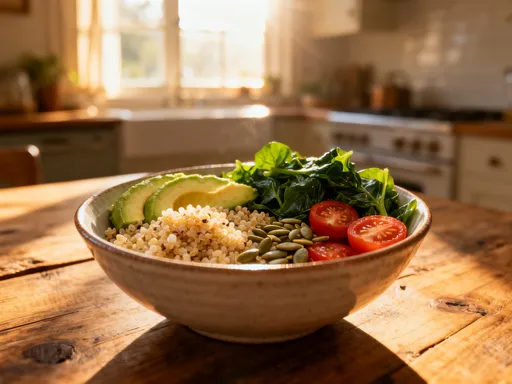
Armed with this new understanding, I shifted my focus from external treatments to internal nourishment. I didn’t adopt a restrictive diet or follow a trendy cleanse. Instead, I made small, sustainable changes to increase the nutrient density of my meals. I started incorporating more whole foods—especially those rich in iron, protein, omega-3 fatty acids, and vitamins that support hair health. Eggs became a breakfast staple, providing high-quality protein and biotin, a B-vitamin essential for keratin production. Spinach and lentils offered plant-based iron and folate, helping address the deficiency flagged in my blood work.
Fatty fish like salmon and sardines were added a few times a week for their omega-3 content, which helps reduce inflammation and supports scalp hydration. I also increased my intake of nuts and seeds—particularly walnuts and flaxseeds—for their zinc and vitamin E content, both of which play roles in cell repair and protection against oxidative stress. Rather than relying on supplements, I focused on getting these nutrients from food, which the body absorbs more effectively and in balanced ratios.
Equally important was what I chose to reduce. I cut back on processed sugars and refined carbohydrates, which had been a major part of my snacking routine. I noticed that after eating sugary foods, I’d experience energy crashes and increased scalp oiliness—signs of blood sugar fluctuations and inflammation. By replacing these with fiber-rich vegetables, whole grains, and healthy fats, my energy stabilized, and my skin and scalp felt less reactive. Hydration also became a priority. I made a habit of drinking water throughout the day, which helped flush out toxins and keep tissues—including hair follicles—well-hydrated.
These dietary changes didn’t yield overnight results, but over time, I noticed a shift. My hair felt stronger, less prone to breakage, and the excessive shedding began to slow. More importantly, I felt better overall—less bloated, more focused, and more in tune with my body’s needs. Nutrition, I realized, wasn’t just about feeding myself. It was an act of repair, rebuilding the foundation that allows every system—including hair—to function optimally.
Lifestyle Tweaks: Sleep, Stress, and Scalp Care
Diet was only one piece of the puzzle. I began to examine other lifestyle factors that could be affecting my body’s ability to heal. One of the most revealing discoveries was the connection between sleep and hair loss. I started tracking my sleep patterns and noticed a clear trend: after nights of poor or interrupted sleep, I’d find more hair in my brush the next day. Research supports this observation—sleep is when the body enters repair mode, producing growth hormone and repairing damaged cells. Without adequate rest, this regeneration process is compromised.
I committed to improving my sleep hygiene. I set a consistent bedtime, even on weekends, and created a wind-down routine that included reading and light stretching. I removed electronic devices from the bedroom and kept the room cool and dark. Within a few weeks, my sleep quality improved, and I began to notice a reduction in shedding. I also paid more attention to stress, which had been a constant in my life. Long work hours, family responsibilities, and constant multitasking had left me in a near-constant state of tension. I started practicing mindfulness through short daily meditations and deep breathing exercises. These simple practices didn’t eliminate stress, but they helped me respond to it more calmly, reducing its physiological impact.
On the external side, I began incorporating gentle scalp care into my routine. I learned that the scalp is living tissue, rich in blood vessels, and that stimulating circulation can support follicle health. I started giving myself light scalp massages using cold-pressed coconut or jojoba oil a few times a week. The act was soothing, almost meditative, and I could feel the increased blood flow. Over time, I noticed new growth along my hairline and part—tiny but encouraging signs of regrowth. These lifestyle changes weren’t dramatic, but together, they created a supportive environment for healing, reminding me that body repair is not a single action but a collection of consistent, mindful choices.
What I Stopped Doing That Helped Most
Sometimes, healing begins not with adding something new, but with letting go. One of the most impactful changes I made was stopping habits that were unintentionally harming my hair. I had been washing my hair every day with a harsh shampoo, believing it kept my scalp clean. But over-washing stripped away natural oils, leaving my scalp dry and irritated. I switched to washing every other day with a gentle, sulfate-free formula and noticed a significant improvement in scalp comfort and hair texture.
I also stopped using high-heat styling tools daily. Flat irons, curling wands, and blow dryers had been part of my routine for years, but the constant heat was weakening my hair’s protein structure, leading to breakage and split ends. I began air-drying whenever possible and using heat tools only occasionally, always with a heat protectant. I replaced tight ponytails and braids with looser styles to reduce tension on the hairline, which helped prevent traction alopecia—a type of hair loss caused by prolonged pulling.
Another major shift was avoiding chemical treatments. I had been coloring my hair regularly and using relaxers to manage texture. These processes involve harsh ingredients that can damage the hair shaft and irritate the scalp. I decided to let my natural hair grow out, embracing the transition phase with patience. I switched to silk pillowcases, which reduced friction and prevented overnight breakage. I also started taking cooler showers, as hot water can dry out the scalp and strip moisture from strands.
Letting go of these habits was harder than I expected. They were tied to routines, identity, and social expectations. But as I stepped back, I realized how much damage they were causing. The relief my hair showed—less breakage, more elasticity, visible regrowth—proved that protection is a form of care. Sometimes, the most powerful healing comes not from doing more, but from doing less.
Tracking Progress Without Obsession
In the early weeks, I was eager for visible results. I checked the mirror constantly, looking for changes. But progress was slow, and my impatience only fueled frustration. I realized I needed a healthier way to track my journey—one that didn’t revolve around daily scrutiny. I started taking monthly photos under the same lighting, focusing on the overall look and volume. I also began paying attention to how my hair felt—was it stronger? More resilient? Did it tangle less?
After three months, the differences became noticeable. My strands were thicker, the edges along my hairline were smoother, and new growth was visible in areas that had been thinning. Shedding decreased significantly. But even more telling were the non-hair changes: I had more energy, my digestion improved, and my mood felt more stable. These were signs that my body was healing as a whole, not just my hair.
I learned to celebrate small wins—like going a full week without heat styling or noticing my hair bouncing back after a braid. I stopped aiming for perfection and instead focused on consistency. Body repair is not a linear process. There were setbacks—busy weeks when I skipped meals or lost sleep—but I learned to be gentle with myself. Progress isn’t about flawless execution; it’s about returning to healthy habits, even after a misstep. Tracking helped me stay grounded, reminding me that healing takes time, and real change is built through repetition, not miracles.
The Bigger Picture: Hair Health as a Lifestyle Signal
Fixing my hair became more than a personal victory—it became a gateway to a deeper relationship with my body. It taught me to listen, to respond with care, and to make choices that support long-term wellness. I no longer see hair as just an accessory or a reflection of beauty. It’s a signal, a barometer of how I’m treating myself on the inside. When I’m stressed, it shows. When I’m nourished, it reflects that too.
This journey reinforced the idea that true health is holistic. You can’t isolate one part of the body and expect it to thrive while neglecting the rest. Hair health is not achieved through a single product or quick fix. It’s the result of a lifestyle that honors rest, nutrition, emotional balance, and self-respect. The changes I made—eating whole foods, sleeping better, managing stress, protecting my hair—were small, but their combined effect was transformative.
Today, I approach self-care differently. I don’t chase perfection. I focus on alignment—ensuring that my daily choices support the kind of life I want to live. My hair is healthier, yes, but more importantly, I feel more connected to myself. I’ve learned that healing isn’t about fixing what’s broken. It’s about creating the conditions for the body to restore itself. And sometimes, the first sign of that restoration appears not in how we feel, but in how we look—shining back at us from the mirror, strand by strand.